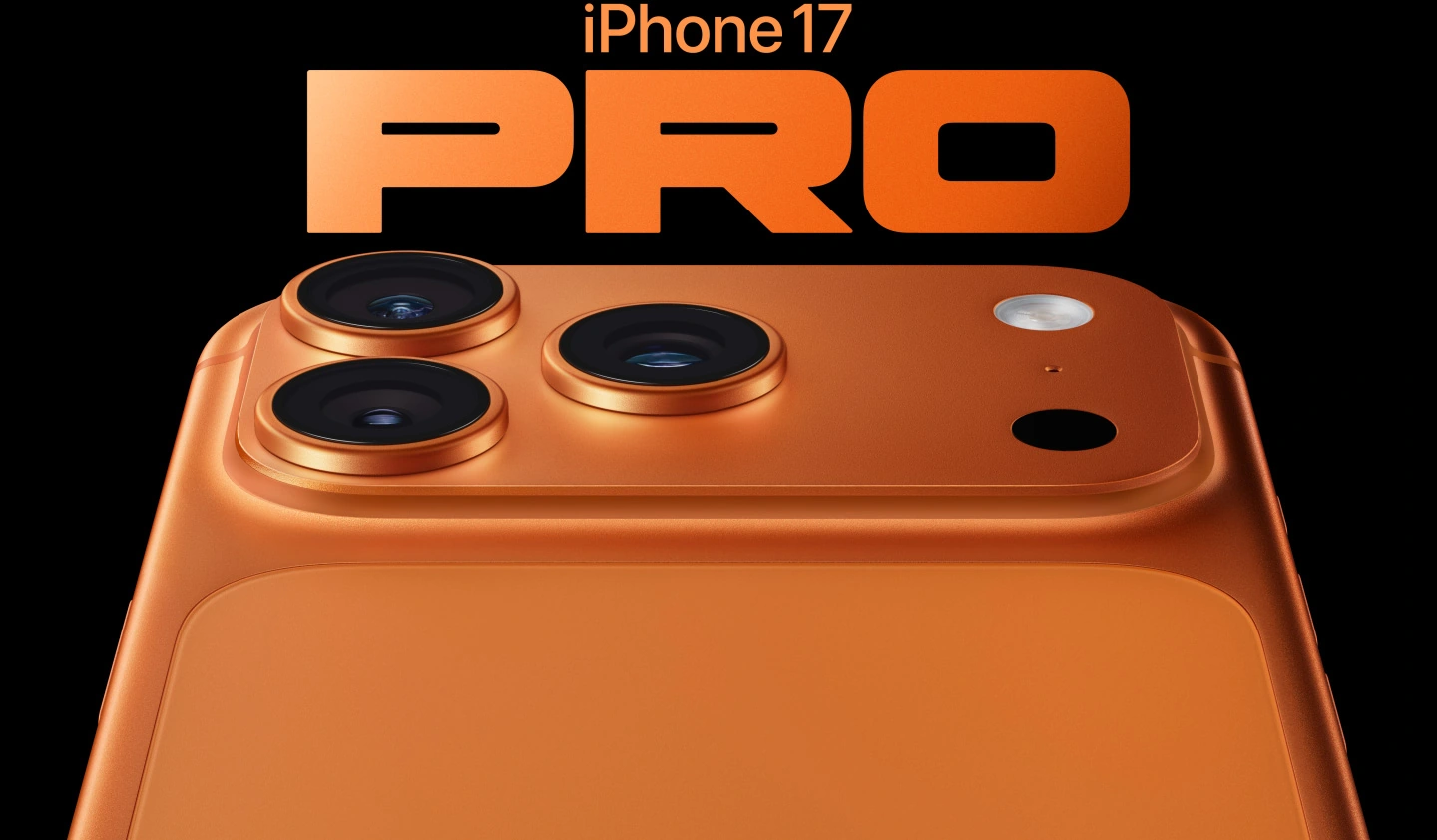
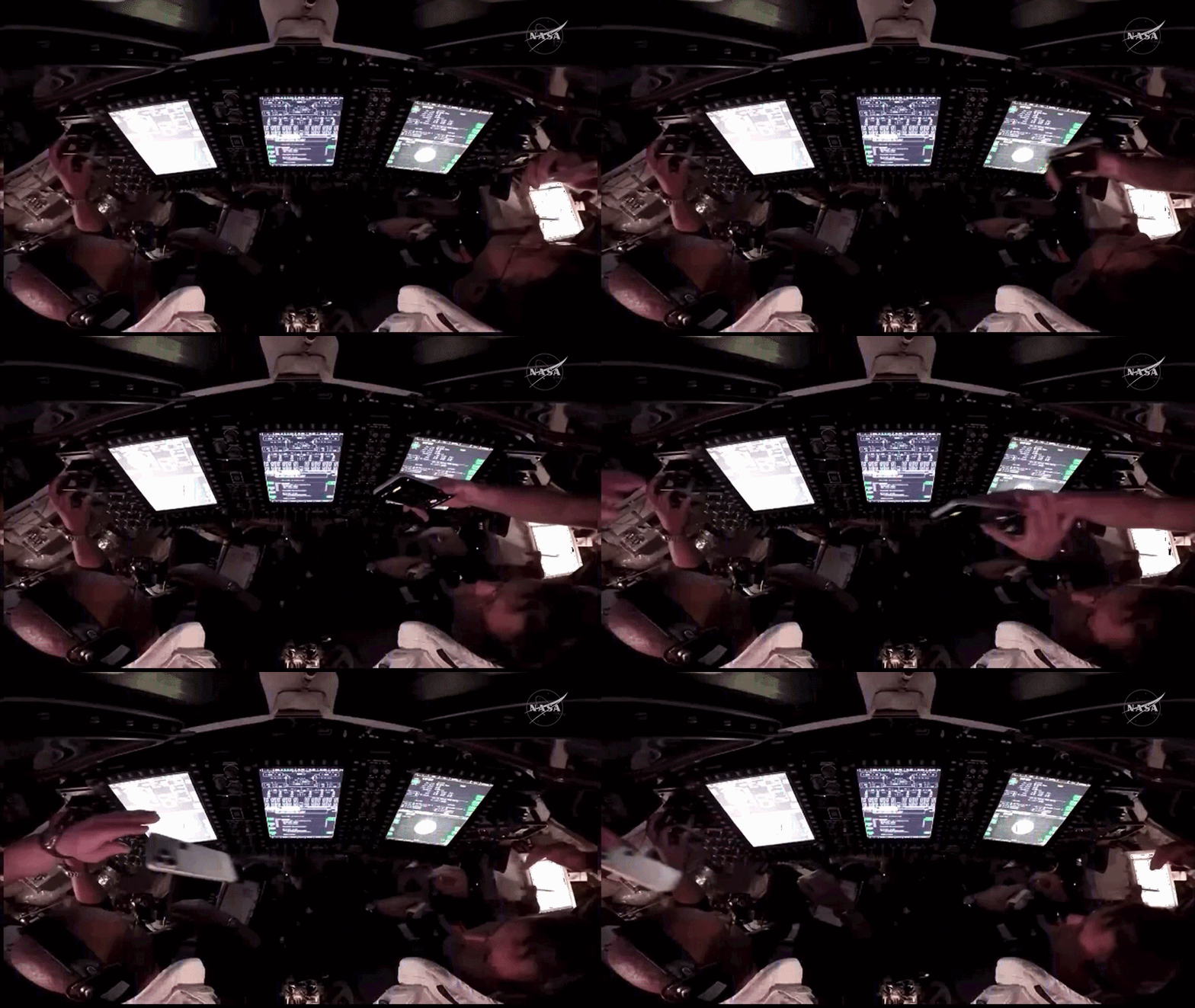
During the initial live stream of Artemis 2’s launch, eagle-eyed viewers spotted an iPhone 17 Pro Max floating across the screen. This has sparked heated discussion on platforms like Apple’s iQiyi. This could be Apple’s most successful advertisement recently.
So how exactly did this phone obtain NASA’s permission? According to a report in The New York Times yesterday, the iPhone 17 Pro Max underwent a series of rigorous tests to be approved for use in the spacecraft’s cockpit.
NASA has extremely strict regulations regarding the items astronauts can bring into space. During the Artemis 2 lunar mission, the agency allowed crew members to use iPhones in space for the first time.
Tobias Niedwezer, assistant research professor at the BioServe Space Technology Institute at the University of Colorado Boulder, explained that the process was “quite complex and time-consuming.” The institute also underwent similar tests in order to send its payload to the Artemis 1 mission.
The entire approval process is divided into four stages: the first stage is a preliminary inspection of the hardware by a security review team; the second stage is to identify potential hazards, such as moving parts or fragile materials like glass; the third stage is to develop solutions to avoid the problems found in the second stage; and the fourth stage is to verify that these solutions are indeed effective.
Investigation revealed that the earliest news about testing iPhones for space applications appeared in February 2025. This is an unusual change for NASA, as the agency’s hardware testing process has previously been extremely slow. For example, the latest camera used in the Artemis 2 mission was a 2016 Nikon DSLR, along with several ten-year-old GoPro action cameras.
Niederweiser stated that this standard procedure protects the safety of astronauts and the spacecraft in multiple ways. On Earth, broken glass typically falls to the ground under gravity, and the user’s shoes provide protection; however, in space, glass shards can dangerously float in mid-air. In such situations, glass fragments could cut an astronaut’s face or collide with equipment, causing even greater trouble.
Besides the risks of equipment damage in a weightless environment, electronic devices going into space also face issues such as radiation exposure. Because some systems are crucial to astronauts’ survival, NASA must conduct repeated inspections to ensure they do not malfunction in space.
Apple responded to The New York Times, stating that it was not involved in NASA’s approval process, but this is the first time an iPhone has been certified for orbital flight and long-term use beyond Earth. Apple does conduct extensive durability testing on its devices and disclosed some extreme testing procedures in July 2025. However, while the iPhone has undergone drop, extreme temperature, and even high-intensity light testing, it appears that Apple did not test it in any zero-gravity environment.
It’s also worth noting that the iPhones approved for space travel are not for critical missions. Astronauts will primarily use these phones to record mission experiences and capture important footage. These iPhones cannot be used in any other conventional way, and must not be connected to the internet or Bluetooth.
Before the iPhone 17 Pro Max was approved, its predecessors had also been to space, but mainly in private space missions, such as the Inspiration 4 mission in 2021, when astronauts used iPhones to take pictures of Earth, and the last space shuttle mission in 2011 also carried two iPhone 4s for experiments.