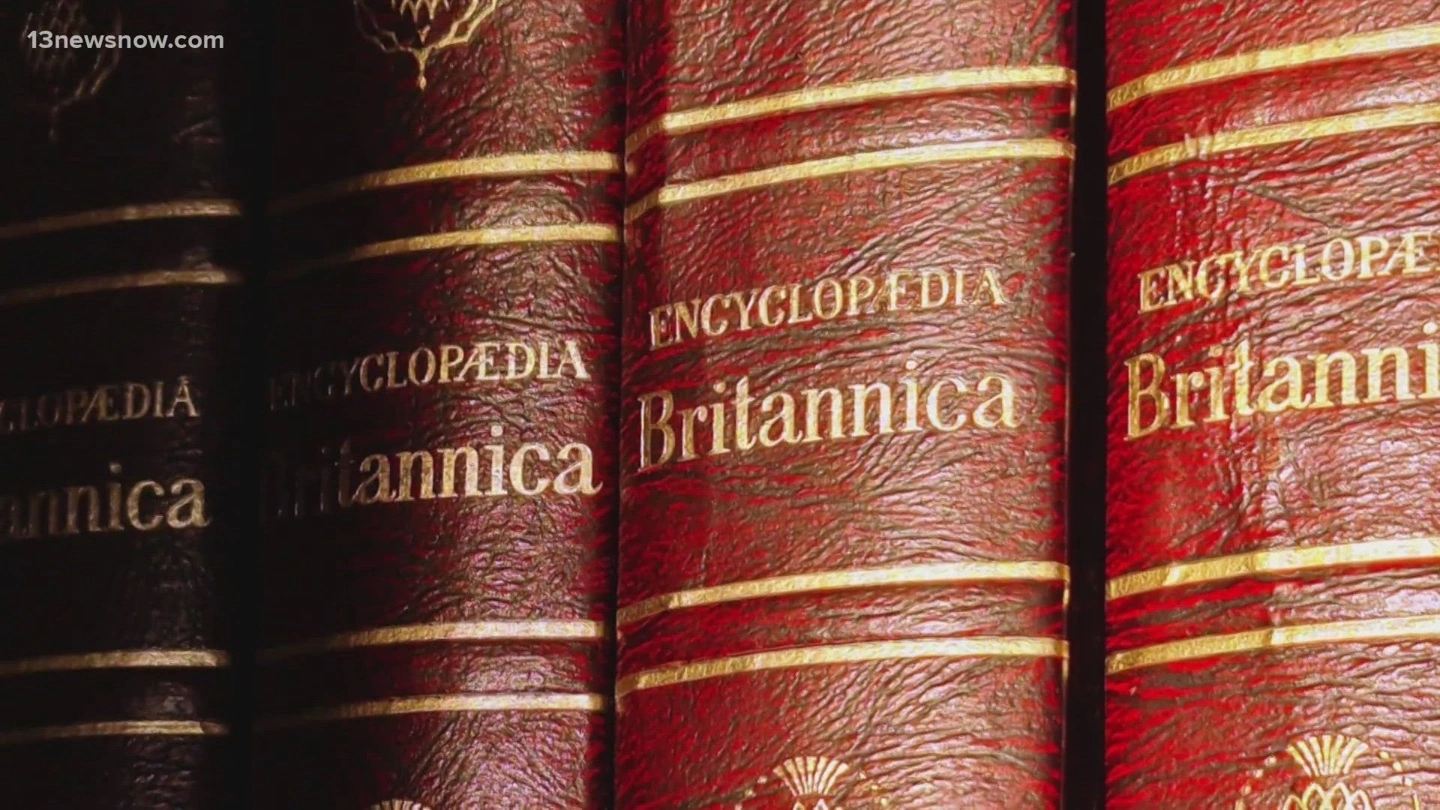
According to Reuters, Encyclopædia Britannica and its subsidiary Merriam-Webster have sued OpenAI in Manhattan federal court, accusing the latter of abusing its reference materials to train artificial intelligence models.
In a lawsuit filed last Friday, Encyclopædia Britannica alleges that Microsoft-backed OpenAI used its online articles, encyclopedia entries, and dictionary entries to train its flagship chatbot ChatGPT and used AI to generate content summaries, thus “devouring” Encyclopædia Britannica’s website traffic.
This case is one of many lawsuits filed by copyright holders, including writers and news media, against tech companies for using their data to train AI systems without permission. The Encyclopædia Britannica filed a similar lawsuit against the AI startup Perplexity AI last year, and that case is still pending.
The AI company argued that its system’s secondary creation and transformation of copyrighted content constitutes fair use.
The Encyclopædia Britannica lawsuit alleges that OpenAI illegally copied nearly 100,000 of its articles to train its GPT large language model. The complaint states that the content generated by ChatGPT is “virtually identical” to Encyclopædia Britannica’s entries, dictionary definitions, and other content, diverting users who would otherwise visit its website.
The Encyclopædia Britannica also accused OpenAI of infringing its trademarks: OpenAI implied that it was authorized to copy related content and improperly cited the Encyclopædia Britannica in AI’s false “illusions”.
The Encyclopædia Britannica is seeking unspecified financial damages and has requested a court injunction to prohibit the aforementioned infringement.