According to a report in the Securities Daily, the exploration of “vehicle-battery separation” model commercial auto insurance (hereinafter referred to as “vehicle-battery separation model auto insurance”) has accelerated recently, under the guidance of policies and the efforts of insurance companies.
Industry insiders believe that, in specific scenarios, the “vehicle-battery separation” model of auto insurance can help reduce the purchase and insurance costs for new energy vehicle consumers. However, this model also places higher demands on insurers’ risk identification, pricing, and claims settlement capabilities, and it will still take time to move from pilot programs to full-scale implementation. In the future, the new energy vehicle insurance market may see a parallel development of both “vehicle-battery integration” and “vehicle-battery separation” models.
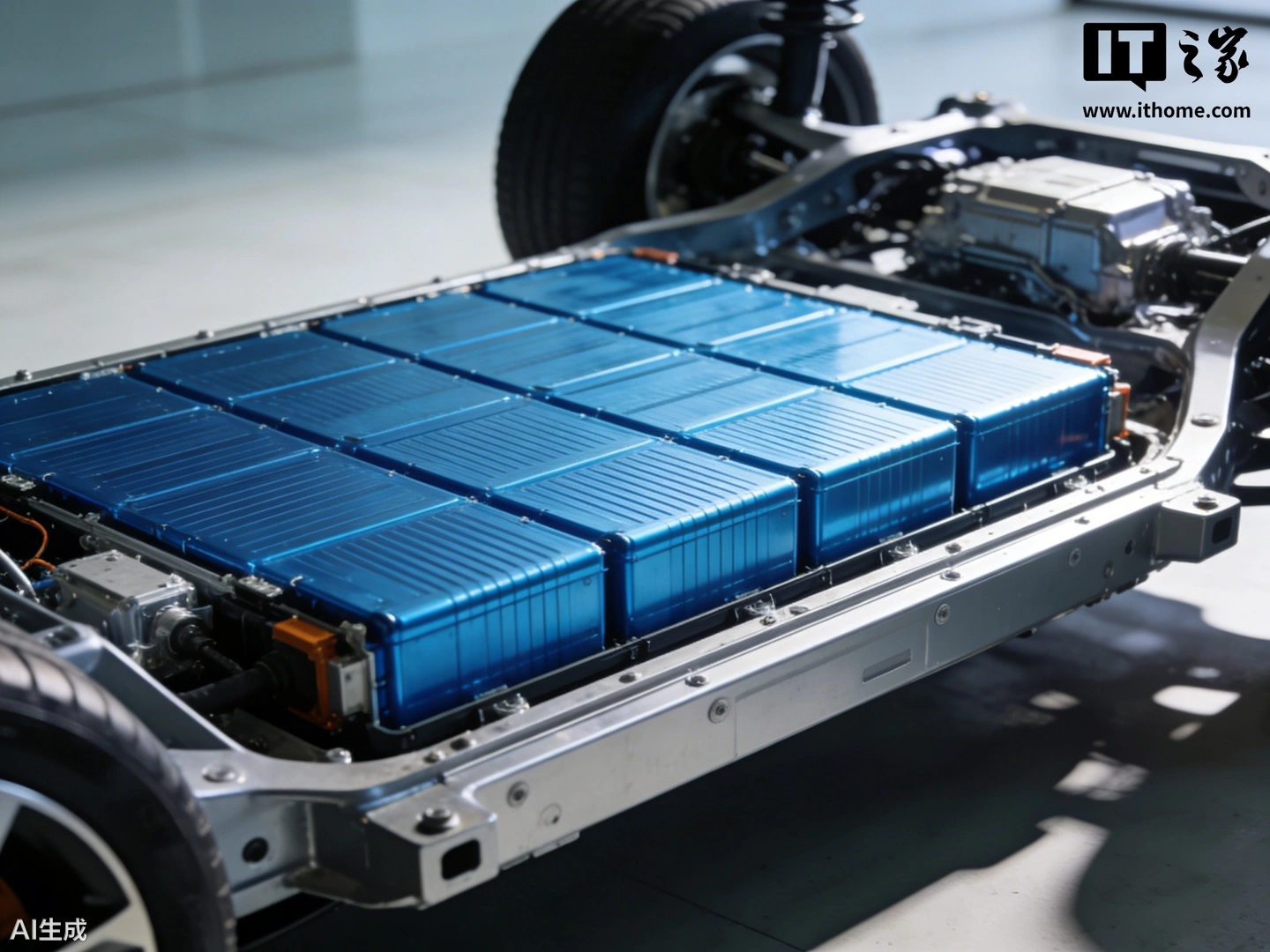
It is understood that the core of the “vehicle-battery separation” model is to separate the ownership and usage rights of new energy vehicles and batteries. Consumers can entrust the management and maintenance of batteries to professional organizations through battery leasing, battery swapping services, etc., while retaining only ownership of the vehicle body and the right to use the battery.
Based on this, the “vehicle-battery separation” model separates the liability for vehicle body and battery insurance: the vehicle body insurance is consistent with the traditional fuel vehicle damage insurance, while the battery is insured by the supplier to cover risks such as battery degradation and damage.
In early 2025, the State Financial Supervision and Administration Bureau, the Ministry of Industry and Information Technology, and other four departments issued the “Guiding Opinions on Deepening Reform, Strengthening Supervision, and Promoting High-Quality Development of New Energy Vehicle Insurance”.
The “Opinions” propose supporting the insurance industry in innovating and optimizing product supply to meet the commercial auto insurance needs of new energy vehicles. It calls for researching and launching “basic + variable” new energy vehicle insurance combination products to support flexible insurance coverage for new energy ride-hailing vehicles based on actual operating conditions. It also encourages exploring “vehicle-battery separation” model commercial auto insurance products to provide scientific and reasonable insurance coverage for relevant new energy vehicles.